Australian consumer guidance and dermatology sources checked 19 October 2026 · Published 19 October 2026 · Sources checked 19 October 2026
If you are trying to avoid fragrance, do not choose by smell alone. The American Academy of Dermatology advises looking for fragrance-free wording rather than assuming an unscented product has no fragrance-related ingredients. Then check the exact formula and seek individual advice if you have a known allergy. This is a label-reading guide, not a product test or a guarantee that any formula will suit your skin.
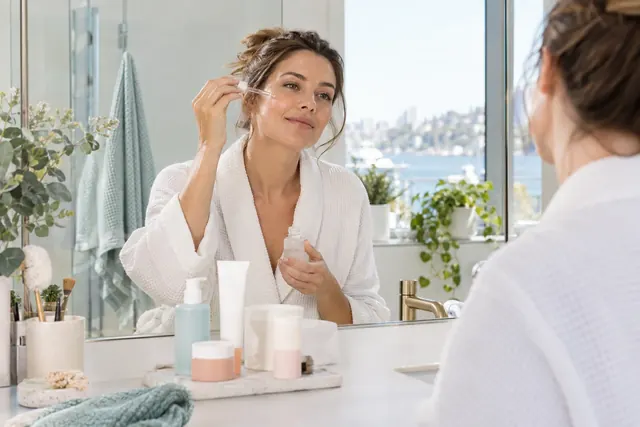
Why an unscented bottle can still contain fragrance-related ingredients
The American Academy of Dermatology (AAD) explains that unscented products may contain ingredients that hide or neutralise other odours. Its product-testing guide also cautions that plant-based botanical ingredients can include fragrance-related ingredients. A product having little noticeable smell therefore does not answer the ingredient question.
Treat the front label as a starting point. Do not turn a scent description such as fresh, neutral or gentle into an ingredient claim. Equally, this distinction is not a reason to throw away every product you already use comfortably.
What Australian ingredient information can tell you
The ACCC's consumer guide says ingredient information should be available at the point of sale, usually on the container or packaging. When shopping online, look for a readable ingredient list for the exact variant; if it is missing or unclear, ask the seller or manufacturer before buying.
The ACCC's mandatory-standard overview says labels do not generally have to give the percentage of each ingredient. An ingredient list is useful information, but it is not a complete recipe or a test of how your skin will respond. We are not using overseas labelling rules as a substitute for Australian requirements.
Do not use natural or botanical as a shortcut
A plant-themed label does not establish that a formula is fragrance-free. Rather than trying to classify every unfamiliar ingredient yourself, keep the exact ingredient list and ask the manufacturer to clarify a fragrance claim if the wording is ambiguous.
This is a practical comparison method, not a list of banned ingredients. The aim is to match the information to your own needs without assuming that every botanical ingredient is a problem or that a synthetic ingredient is automatically unsuitable.
If your skin reacts, a label cannot diagnose the cause
ASCIA, the Australasian Society of Clinical Immunology and Allergy, lists cosmetics and perfumes among possible causes of allergic contact dermatitis. It explains that specialist patch testing may help identify a cause. That clinical process is different from simply trying a product at home.
The ACCC advises stopping use and seeking medical advice if a cosmetic causes an allergic reaction or irritation. If you have known allergies or repeatedly react to products, ask a qualified clinician for advice rather than repeatedly buying bottles with reassuring front-label claims. This article cannot diagnose irritation or allergy.
A five-point check before checkout
First, write down what you want the product to do: cleanse, moisturise or remove makeup. Second, record the exact fragrance wording. Third, find the current ingredient list for that named variant. Fourth, check directions and warnings. Fifth, compare the same pack size and delivered price only after the formula fits your requirements.
For a useful shopping note, save the product name, size, label photo and date you checked it. If a retailer page and the pack disagree, resolve the difference with the seller or brand before relying on either. A discounted multi-pack is not better value if you cannot establish that it is the version you meant to buy.
Read our wider guide to skincare ingredient labels →
Optional shopping links
Affiliate links: as an Amazon Associate, BuyCheck earns from qualifying purchases.
Check the product details, seller and delivered price. Search links show results, not a verified listing; availability can change.
Sources
This is product news and buying context. Retailer listings and brand claims are identified as such; BuyCheck has not tested these products or verified sales figures. How BuyCheck is funded.